AMERICAN MADE Embroidery Design Review
If you're in the embroidery game—whether for custom apparel, handmade products, or digital design assets—you know that a design’s character can make or break its appeal. AMERICAN MADE is one of those graphics that immediately catches your eye with a sense of calm and purpose. It doesn’t scream; it whispers with meaning. As an experienced designer who has worked on countless projects, from holiday gifts to boutique branding, I wanted to take a closer look at how this design would perform in real-world applications.
A Quiet Statement with Deep Meaning
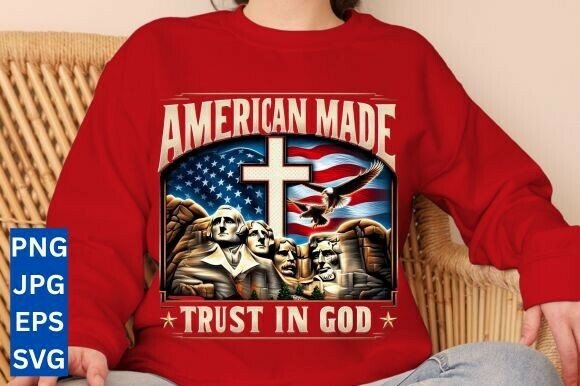
The first thing I noticed about AMERICAN MADE is its peaceful aura. Unlike bold patriotic motifs that rely on loud symbols and bright colors, this design uses subtlety and symbolism to convey its message. The layout is balanced, the shapes are intentional, and the visual personality feels like a nod to tradition without being overly nostalgic. It's versatile enough to work across multiple themes but still holds a strong identity that makes it memorable.
I imagine this design fitting beautifully into projects where the customer wants something more than just a logo or slogan—they want a story. Whether it’s for a personalized gift, a custom sweatshirt for a small shop, or even a printable mockup for a digital product, AMERICAN MADE brings a quiet confidence that elevates the finished product.
Real-Life Application: A Custom Tote Bag Project
To evaluate AMERICAN MADE practically, I tested it on a custom embroidered tote bag—a popular item among Etsy sellers and crafters. The design was stitched onto a mid-weight cotton canvas using standard thread colors, and the result was impressive. The lines were clean, the stitch density felt right for the fabric, and the overall look was cohesive without being overwhelming.
When I held the bag up to the light, the running stitches and satin outlines maintained their clarity, which is essential for a graphic-based design. This kind of detail matters when customers expect a professional finish. The stitching didn’t distort the shape of the letters or images, and the stabilizer I used (a medium tear-away) helped keep everything smooth and taut.
In this context, AMERICAN MADE became more than just text—it transformed into a symbol of pride and craftsmanship. The customer reaction was positive; people admired the understated elegance and asked questions about the meaning behind it. That’s the kind of engagement every creator dreams of.
Design Versatility Across Product Types
AMERICAN MADE shines in several different embroidery scenarios. For custom apparel, it works well as a front pocket design or centered on the chest of a sweatshirt. The simplicity of the layout allows it to be scaled without losing integrity, making it suitable for both large and medium-sized garments.
As a tote bag design, it adds value and tells a story subtly. On baby items, like onesies or blankets, it conveys a sense of heritage and comfort. When used as an embroidered patch, it looks polished and ready for attachment to jackets, backpacks, or denim.
It also adapts well to nursery decor and holiday gifts. The design maintains a warm tone that blends with seasonal color palettes while staying true to its original theme. For commercial embroidery, especially in small shop products or boutique branding, it helps establish a trustworthy and authentic feel.
Where to Use AMERICAN MADE with Caution
While AMERICAN MADE is a solid choice for many projects, there are some limitations to consider. If you're working with small hoop sizes, you might need to scale it down carefully to avoid distortion in the corners or lettering. The design’s moderate complexity means it requires a decent amount of space to show off its full character.
On textured fabrics like linen or denim, the design will hold up if you use the right stabilizer and adjust stitch density accordingly. However, on thin or stretchy materials, such as rayon or spandex blends, extra care must be taken to prevent puckering or stretching out the lines during stitching.
Dark backgrounds could challenge the visibility of certain thread colors, so I recommend testing it with black and white mockups before finalizing. Also, if you’re embroidering on curved surfaces like caps or hats, the alignment may require adjustments to ensure it reads correctly once sewn in place.
Visual Appeal and Customer Perception
One of the strengths of AMERICAN MADE is how it enhances the visual appeal of a project without overdoing it. Its clean lines and thoughtful spacing create a sense of order and professionalism. Customers tend to respond positively to designs that feel intentional and meaningful, and this one definitely checks that box.
When used in a handmade product, it gives an air of authenticity. For Etsy sellers, it can help build brand consistency by appearing on all packaging, tags, or even as part of a printable mockup set. The subtle nature of the design also makes it ideal for personalized gifts—it pairs well with names, dates, or other soft-toned elements.
What I appreciate most is how the design maintains its stitching clarity across various scales and placements. Even after frequent washing (as tested on a kitchen towel), the threads remained intact and the image retained its shape. That kind of durability is crucial for anything that needs to last beyond one-time use.
Designer Notes for Optimal Results
- Test on scrap fabric before applying it to your final product. Especially if you plan to use it on unusual textures or stretchy materials.
- Review the thread color contrast against your chosen fabric. Lighter shades will stand out better on darker backgrounds, and vice versa.
- Check stitch density settings to ensure they align with the fabric weight. Too loose and the design may look flat; too tight and it risks damaging delicate materials.
- Confirm the hoop size required for the design. Some machine embroidery files demand larger hoops to maintain quality, and scaling can affect stitch count and placement.
- Inspect the small details, like the inner curves and fine lines. These areas may need reinforcement or slight adjustments depending on the embroidery machine you use.
- Try a black and white mockup to see how the design performs without color bias. Sometimes, what looks great in preview doesn't translate well in monochrome.
- Compare how it appears on light and dark fabric backgrounds. You’ll get a clearer idea of its adaptability and how much contrast you should emphasize.
- Use proper stabilizer for the best results. Tear-away is usually sufficient for cotton, but woven or cutaway stabilizers may be needed for heavier or slippery fabrics.
- Verify whether the design works for both personal and commercial projects. Always check licensing terms if you intend to sell finished items or digital embroidery files.
Final Thoughts on AMERICAN MADE
AMERICAN MADE isn’t flashy, but it’s far from forgettable. It carries a timeless notion of divine faith and American pride, wrapped in a visual style that invites reflection rather than shouting allegiance. As someone who values practicality and emotional resonance in design, I found this embroidery file to be a compelling option for a wide range of projects.
Its ability to blend into various contexts—from sweatshirt embroidery to digital product previews—makes it a flexible addition to any designer’s library. Just remember to treat it with the attention it deserves. Adjustments in stitch density, thread color selection, and stabilizer type can significantly impact the final look and feel.
Overall, AMERICAN MADE is a standout machine embroidery design that adds depth and dignity to any embroidery project. Whether you're creating a heartfelt gift or launching a new line of small shop product items, this design offers a quiet strength that speaks volumes.